Everyday Carry Light Options: A Practical Guide
When it comes to being prepared, a reliable light source is one of the most essential tools you can carry every day. Whether you’re a commuter navigating dark streets, a parent checking on sleeping kids, or a first responder working in unpredictable conditions, having a dependable light can make all the difference. I’ve spent years in public safety, and I know firsthand how a simple, well-chosen light can boost your confidence and keep you safe without adding unnecessary bulk or complexity.
In this guide, I’ll walk you through practical everyday carry light options. I’ll share what works in real situations, how to choose the right light, and tips for using it effectively. No hype, no fear—just straightforward advice to help you feel ready for whatever comes your way.
Why Carry a Light Every Day?
A light is more than just a convenience. It’s a tool that can help you:
See clearly in low-light conditions: Whether it’s a power outage, a late-night walk, or a dark parking lot, a good light helps you avoid hazards.
Signal for help: In emergencies, a bright, focused beam can attract attention.
Enhance personal safety: A light can deter threats by exposing potential dangers before they get too close.
Perform tasks efficiently: From reading maps to fixing a flat tire, a light makes everyday tasks easier.
I’ve seen situations where a flashlight was the difference between calm control and chaos. It’s not about fear—it’s about being prepared and confident.
Everyday Carry Light Options: What to Look For
Choosing the right everyday carry light depends on your needs and lifestyle. Here are the key factors to consider:
Size and Weight
Your light should be compact enough to carry comfortably every day. Think about where you’ll keep it—pocket, bag, or clipped to your belt. A bulky light is less likely to be carried consistently.
Brightness and Beam Type
Lumens measure brightness. For everyday use, 100 to 300 lumens is usually enough. You want a beam that balances flood (wide area) and throw (distance). A focused beam helps spot hazards far away, while a flood beam lights up your immediate surroundings.
Power Source and Runtime
Rechargeable lights are convenient and cost-effective. But keep spare batteries handy if you choose a model that uses disposables. Check the runtime on the highest setting and on lower modes. Longer runtimes mean less worry about running out of light.
Durability and Water Resistance
Look for lights with solid construction—aluminum bodies are common and durable. Water resistance is crucial if you’re outdoors or in wet conditions. An IPX4 rating or higher is a good baseline.
Ease of Use
Simple controls matter. You want to be able to turn the light on and off quickly, switch modes without fumbling, and operate it with one hand if needed.
Types of Everyday Carry Lights
There are several types of lights designed for everyday carry. Here’s a breakdown of the most practical options:
Keychain Lights
Small and lightweight, keychain lights are perfect for quick access. They won’t replace a full-size flashlight but are great for finding your way in a pinch or lighting up small spaces.
Pocket Flashlights
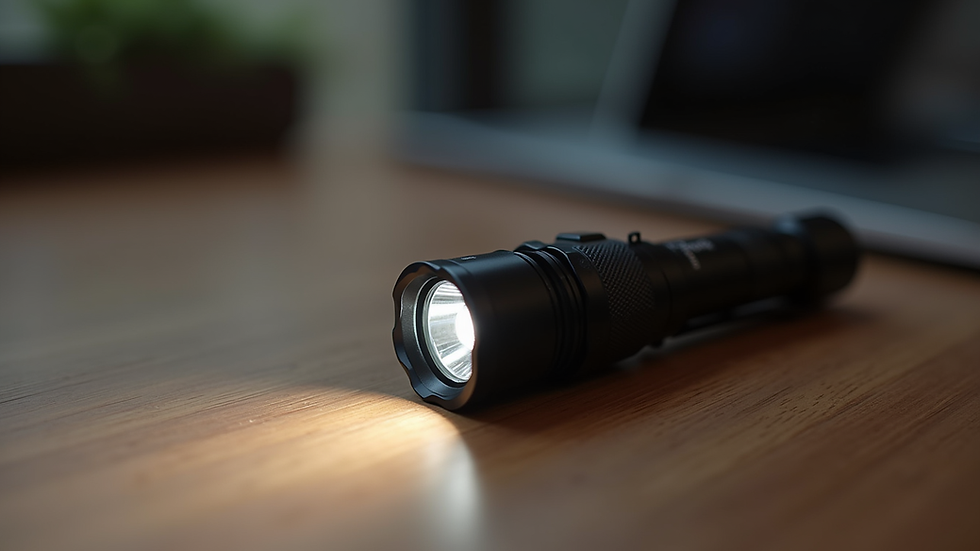
These are the most popular everyday carry lights. They fit comfortably in your pocket and offer a good balance of brightness and runtime. Many models include multiple brightness levels and strobe modes for signaling.
Pen Lights
Pen lights are slim and discreet. They’re often used by medical professionals but work well for anyone who needs a light that’s easy to carry and quick to deploy.
Headlamps
If your hands need to be free, a headlamp is a smart choice. Modern headlamps are lightweight and adjustable, with beams that can be focused or wide. They’re excellent for outdoor activities or working in tight spaces.
Tactical Lights
Tactical lights are designed for durability and high performance. They often feature strobe modes and are built to withstand rough handling. These are ideal for first responders or anyone who needs a rugged, reliable light.
How to Use Your Everyday Carry Light Effectively
Carrying a light is only part of the equation. Knowing how to use it well is just as important.
Practice Regularly
Get familiar with your light’s controls. Practice turning it on and off, switching modes, and adjusting the beam. This muscle memory will help you react quickly when you need it.
Use the Right Mode
Don’t always use the highest brightness. Save battery life by using lower settings for close-up tasks. Reserve the brightest mode for when you need to see far or signal for help.
Aim Your Beam Wisely
Point your light where you need to see, not just straight ahead. For personal safety, scan your surroundings to identify potential hazards early.
Maintain Your Light
Check batteries regularly and replace or recharge them as needed. Clean the lens and body to keep the light bright and reliable.

Practical Recommendations for Everyday Carry Lights
Based on years of experience, here are some practical tips to help you choose and use your everyday carry light:
Start small: If you’re new to carrying a light, begin with a compact pocket flashlight. It’s easy to carry and versatile.
Choose rechargeable: Rechargeable lights save money and reduce waste. Keep a USB cable handy for quick charging.
Carry a backup: Consider a keychain light as a backup. It’s lightweight and always with your keys.
Match your lifestyle: If you spend time outdoors, a headlamp or tactical light might be better. For urban use, a pocket flashlight is usually enough.
Test in real conditions: Try your light in the dark before you rely on it. This helps you understand its beam pattern and runtime.
Keep it accessible: Store your light where you can grab it quickly—don’t bury it deep in a bag.
For those looking for reliable edc lights, focus on models with proven durability and user-friendly features. The right light will become a trusted part of your daily routine.
Building Confidence with Everyday Carry Lights
Carrying a light isn’t about fear. It’s about being ready and confident. When you have a dependable light, you reduce uncertainty. You can move through dark spaces with assurance. You can handle unexpected situations calmly.
I encourage you to think of your everyday carry light as a simple tool that empowers you. It’s a small investment that pays off in peace of mind and practical safety.
Remember, the best light is the one you carry consistently. Choose wisely, practice often, and stay prepared.
Everyday carry lights are a straightforward way to enhance your safety and preparedness. With the right knowledge and gear, you can face daily challenges with confidence and calm. Keep your light close, know how to use it, and trust it to guide you when you need it most.


Comments