Top Outdoor Safety Basics for Adventurers
Heading outdoors is one of the best ways to recharge and connect with nature. But it’s important to be prepared. I’ve spent years working with first responders and outdoor enthusiasts, and I know that simple, practical steps make all the difference. You don’t need to be an expert or carry bulky gear. You just need to know the basics and stay calm. This post will walk you through key safety practices that help you enjoy your adventure with confidence.
Understanding Outdoor Safety Basics
Before you hit the trail or set out on any outdoor activity, it’s crucial to understand the fundamentals of safety. These basics are not complicated, but they are often overlooked. Start with planning. Know your route, check the weather, and tell someone where you’re going and when you expect to return. This simple step can save lives.
Next, pack smart. Bring essentials like water, snacks, a first aid kit, and a reliable navigation tool. Don’t rely solely on your phone’s GPS—batteries die, and signals drop. Dress appropriately for the weather and terrain. Layer your clothing so you can adjust as conditions change.
Finally, stay aware of your surroundings. Watch for wildlife, unstable ground, or sudden weather changes. Trust your instincts. If something feels off, it probably is. Taking these outdoor safety basics seriously will help you avoid common pitfalls and keep your adventure enjoyable.

Essential Gear for Every Outdoor Trip
Having the right gear is a cornerstone of safe outdoor adventures. You don’t need to carry everything, but you do need the right things. Here’s a checklist I recommend for most trips:
Navigation tools: Map, compass, GPS device
Hydration: At least 2 liters of water per person, plus a water filter or purification tablets
Food: High-energy snacks like nuts, jerky, or energy bars
First aid kit: Include bandages, antiseptic wipes, pain relievers, and any personal medications
Clothing: Weather-appropriate layers, rain jacket, hat, and sturdy footwear
Emergency shelter: Lightweight tarp or emergency blanket
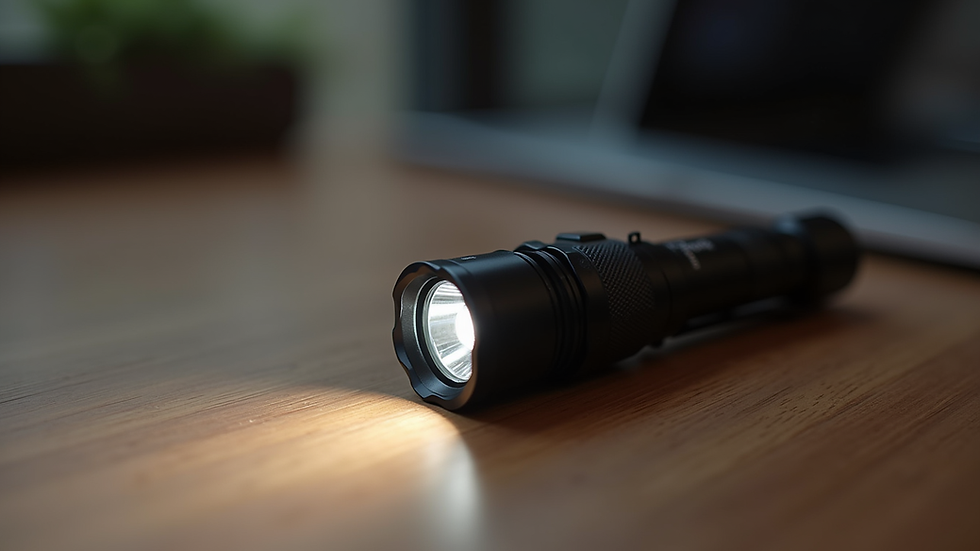
Lighting: Headlamp or flashlight with extra batteries
Fire starter: Waterproof matches or lighter
Multi-tool or knife: Useful for many situations
Always test your gear before you go. Know how to use your compass and first aid kit. Practice setting up your emergency shelter. Being familiar with your equipment reduces stress and saves time if you need it.

What are the 4 C's of Safety?
The 4 C’s are a simple framework to remember when you find yourself in an emergency outdoors. They stand for:
Check: Assess the situation calmly. What happened? Are you or others injured? What hazards are nearby?
Call: If you have cell service, call for help immediately. Provide clear information about your location and condition.
Care: Administer first aid if needed. Keep yourself and others warm and hydrated. Stay calm and reassure everyone.
Contain: If possible, stay put in a safe location. Avoid wandering unless you are certain of the way back or need to find help.
These steps help you stay focused and organized when things go wrong. Remember, panic is your enemy. The 4 C’s guide you to take control and make smart decisions.
Staying Safe in Changing Weather and Terrain
Weather can change fast outdoors. One moment it’s sunny, the next you’re caught in a downpour or sudden cold snap. Always check the forecast before you leave, but be ready for surprises. Carry extra layers and rain gear even if the sky looks clear.
Terrain also affects your safety. Rocky trails, steep slopes, and dense forests each have their own risks. Take your time and watch your footing. Use trekking poles if you have them—they help with balance and reduce strain on your knees.
If you’re hiking near water, be cautious around slippery rocks and fast currents. Never underestimate the power of nature. Respect signs and barriers, and avoid risky shortcuts.
Communicating and Navigating with Confidence
Good communication and navigation skills are vital. Before you go, share your plan with a trusted person. Include your route, expected return time, and emergency contacts. This way, if you don’t check in, someone will know to alert authorities.
On the trail, use a map and compass to stay oriented. Don’t rely only on your phone’s GPS. Batteries can die, and signals can disappear. Learn how to read topographic maps and use a compass. Practice these skills in familiar areas before heading into remote locations.
If you get lost, stop and think. Use the 4 C’s. Try to retrace your steps carefully. If you can’t find your way, stay put and signal for help using a whistle or mirror.
Building Confidence with Practical Preparation
The best way to feel safe outdoors is to prepare well and practice regularly. Take short trips close to home to test your gear and skills. Join local hiking groups or safety workshops. The more you practice, the more natural safety habits become.
Remember, safety is about respect for the environment and your own limits. Don’t push yourself too hard or take unnecessary risks. It’s okay to turn back if conditions worsen or you feel unsure.
By following these straightforward steps, you’ll build confidence and enjoy your adventures without worry. Safety is not about fear—it’s about being ready and capable.
Staying Ready for Any Situation
Safety outdoors is a mindset as much as it is a set of actions. Keep your gear maintained and ready. Update your first aid kit regularly. Stay informed about local hazards like wildlife activity or trail closures.
When you’re prepared, you can focus on the experience instead of what might go wrong. That’s the real goal of outdoor safety basics—to help you enjoy nature fully and return home safely.
For more detailed advice and gear recommendations, check out these outdoor safety tips. They cover everything from everyday carry essentials to emergency response tools.
Stay safe, stay prepared, and keep exploring.


Comments