Hunting Knife Essentials: Choosing the Right Knives for Hunting
When it comes to hunting, having the right knife is not just a convenience - it’s a necessity. A good hunting knife can make your outdoor experience safer, more efficient, and more enjoyable. I’ve spent years working alongside first responders and outdoor professionals, and I’ve learned that the right tools can make all the difference. This guide will walk you through the essentials of choosing the right knives for hunting, focusing on practical advice that helps you feel prepared and confident.
Understanding Hunting Knife Essentials
Choosing a hunting knife starts with understanding what you need it to do. Hunting knives are designed for specific tasks like skinning, gutting, and processing game. The right knife will fit your hand comfortably, hold a sharp edge, and be durable enough to handle tough conditions.
Here are the key features to consider:
Blade Material: Look for stainless steel or high-carbon steel. Stainless steel resists rust and corrosion, which is important if you hunt in wet environments. High-carbon steel holds an edge longer but requires more maintenance.
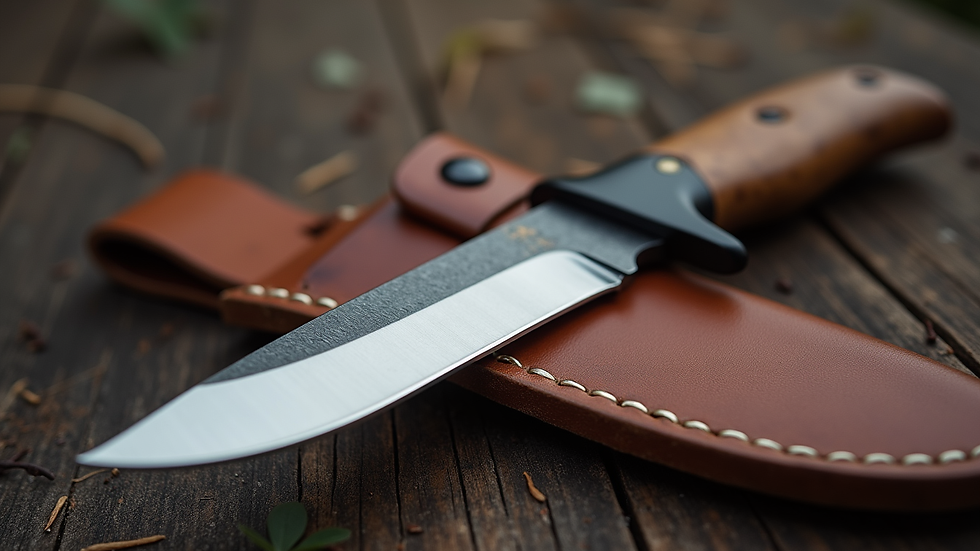
Blade Shape: Drop point blades are popular for hunting because they offer control and precision. Clip point blades are good for detailed work but can be more fragile.
Blade Length: A blade between 3 to 5 inches is ideal for most hunting tasks. Too long can be unwieldy; too short may not be effective.
Handle Material: Choose a handle that offers a secure grip, even when wet. Rubber, textured synthetic materials, or stabilized wood are good options.
Tang: Full tang knives, where the blade extends through the handle, provide better strength and durability.
A knife that fits well in your hand and feels balanced will reduce fatigue and improve safety during use.

How to Choose the Right Knife for Your Hunting Needs
Not all hunting knives are created equal. Your choice depends on the type of game you hunt, the environment, and your personal preferences. Here’s how to narrow down your options:
Consider the Game Size
For small game like rabbits or birds, a smaller, more precise knife works best. For larger game such as deer or elk, a sturdier knife with a longer blade is necessary to handle tougher skin and muscle.
Think About Your Environment
If you hunt in wet or humid areas, prioritize corrosion-resistant materials. In colder climates, a handle that remains grippy with gloves or cold hands is essential.
Evaluate Your Skill Level
Beginners should look for knives with simple, reliable designs. Avoid overly complex folding knives that might be difficult to clean or maintain in the field.
Fixed Blade vs. Folding Knife
Fixed blade knives are generally stronger and easier to clean, making them the preferred choice for hunting. Folding knives are more compact and convenient for everyday carry but may not be as durable for heavy-duty tasks.
Sheath and Carry Options
A good sheath protects the blade and allows safe, easy access. Look for sheaths made of durable materials like leather or Kydex with secure retention.
By matching your knife to your specific hunting needs, you’ll have a tool that performs well and lasts through many seasons.
Can You Use a Knife for Hunting?
Absolutely. A knife is one of the most essential tools in hunting. It’s used for field dressing, skinning, and processing game. Knowing how to use your knife properly can save time and reduce the risk of injury.
Here are some practical tips:
Field Dressing: Use a sharp, sturdy knife to open the abdomen carefully without puncturing internal organs. This helps keep the meat clean.
Skinning: A drop point blade with a curved edge allows you to separate skin from muscle without damaging the hide.
Meat Processing: A longer blade can help with slicing meat into manageable pieces.
Always keep your knife sharp. A dull blade requires more force and increases the chance of slipping. Carry a small sharpening stone or tool in your pack.
Safety is key. Cut away from your body and keep your fingers clear of the blade path. If you’re new to hunting knives, practice basic cuts at home before heading out.
Maintaining Your Hunting Knife for Longevity
A hunting knife is an investment. Proper care ensures it stays reliable and safe to use. Here’s how to maintain your knife:
Clean After Each Use: Remove blood, dirt, and moisture. Use warm water and mild soap, then dry thoroughly.
Sharpen Regularly: Use a sharpening stone or system to maintain a keen edge. Honing rods can help keep the edge aligned between sharpenings.
Oil the Blade: Apply a light coat of oil to prevent rust, especially if you use high-carbon steel.
Store Properly: Keep your knife in a dry place. Avoid storing it in a leather sheath long-term, as leather can retain moisture.
Check the Handle: Inspect for cracks or wear. Replace or repair if necessary to maintain a secure grip.
Regular maintenance not only extends the life of your knife but also ensures it performs well when you need it most.
Practical Tips for Carrying and Using Your Hunting Knife
Carrying your hunting knife safely and effectively is just as important as choosing the right one. Here are some straightforward tips:
Use a Secure Sheath: Always carry your knife in a sheath that holds it firmly. This prevents accidental cuts and protects the blade.
Position for Quick Access: Attach the sheath to your belt or pack where you can reach it easily without fumbling.
Practice Drawing and Sheathing: Familiarize yourself with how to draw and sheath your knife smoothly. This builds confidence and speed.
Keep It Legal: Check local laws regarding blade length and carry restrictions. Compliance keeps you out of trouble.
Use the Knife Only for Intended Purposes: Avoid using your hunting knife for prying or heavy chopping. This can damage the blade or cause injury.
By following these simple steps, you’ll handle your hunting knife with confidence and safety.
Building Confidence with the Right Hunting Knife
Choosing the right hunting knife is about more than just the tool itself. It’s about feeling prepared and capable in the outdoors. When you have a knife that fits your needs and know how to use it properly, you reduce stress and increase your effectiveness.
Remember, the best knife is the one you trust and can rely on in real situations. Take the time to learn its features, practice your skills, and maintain your gear. This approach builds everyday confidence and readiness.
If you want to explore more about knives & hunting, there are plenty of resources and gear options designed to help you stay prepared and safe.
Choosing the right hunting knife is a straightforward process when you focus on practical needs and reliable features. With the right blade, handle, and care, your knife becomes a trusted companion in the field. Stay sharp, stay safe, and enjoy your time outdoors with confidence.


Comments